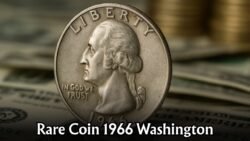
Rare Bicentennial Quarter Value: In the dynamic world of coin collecting, enthusiasts are buzzing with excitement over a remarkable discovery: a rare Bicentennial quarter that could be worth an astonishing $2.5 billion. This revelation has sent shockwaves through the numismatic community, sparking a frenzy of activity as collectors race to find this elusive piece of American history. The allure of such a high value attached to a quarter is drawing both seasoned collectors and curious newcomers into the hunt. The Bicentennial quarter, originally minted in 1976 to commemorate the 200th anniversary of the United States, holds a special place in the hearts of Americans. However, it is the rarity and unique characteristics of this specific quarter that have catapulted its value to astronomical heights. Let’s delve into what makes this coin so extraordinary and why it’s causing such a stir in the coin-collecting community.
Understanding the Bicentennial Quarter’s Extraordinary Value
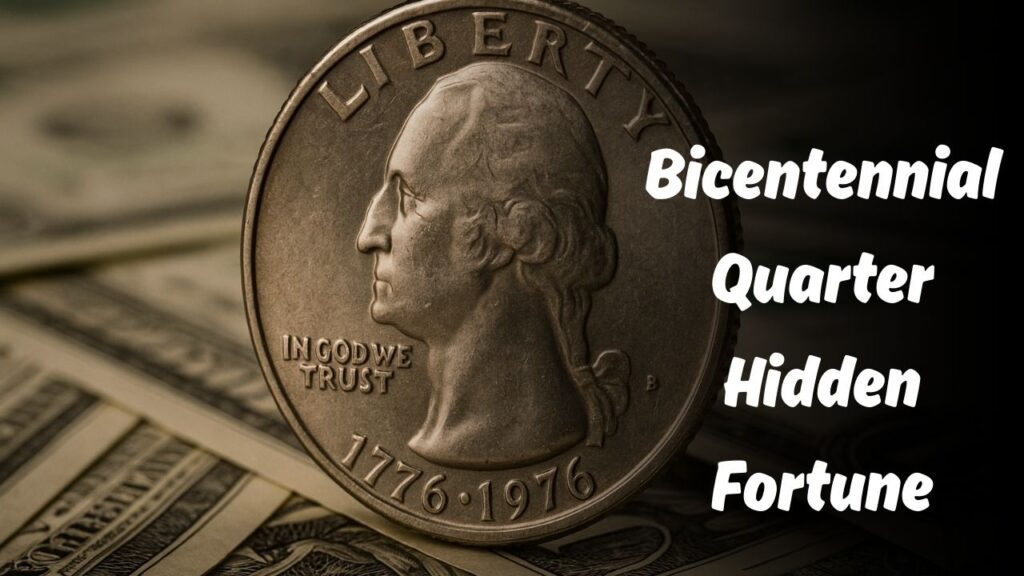
The Bicentennial quarter, minted in 1976, was part of a larger series of coins issued to mark the United States’ 200th birthday. While millions of these quarters were circulated, the particular quarter that has captured collectors’ attention is exceptionally rare due to a unique error or variation during its minting process. Notably, this quarter might feature anomalies such as a distinctive mint mark or an unusual doubling in its design. These peculiarities significantly increase its value, transforming it from a mere twenty-five-cent piece to a potentially multimillion-dollar treasure. The numismatic market thrives on such rare finds, with collectors willing to pay hefty sums for coins with historical significance and unique features. This specific Bicentennial quarter’s rarity is akin to other numismatic legends like the 1913 Liberty Head nickel, which further fuels the fervor among collectors eager to add this coveted piece to their collections.
What Sets This Bicentennial Quarter Apart from Others
Identifying the unique characteristics that set this rare Bicentennial quarter apart is crucial for collectors on the hunt. While the typical Bicentennial quarter features a drummer boy on the reverse side and the dual date of 1776-1976 on the obverse, the rare version might exhibit distinctive traits such as an error in the mint mark or a misalignment in the design. Such anomalies occur due to various reasons, including slip-ups during the minting process or the use of experimental dyes. Collectors need to closely examine their quarters, looking for signs of double die errors, which manifest as noticeable doubling on the inscriptions or images. Additionally, rare metal compositions, such as a silver-clad version, can also contribute to the coin’s value. The thrill of the hunt lies in the meticulous examination of these coins, as even the slightest variation can mean a significant increase in worth. This attention to detail is what separates professional numismatists from casual enthusiasts, as they meticulously scrutinize each coin in pursuit of these rare treasures.
Real-Life Stories of Discovering Rare Coins
Stories abound of everyday people stumbling upon rare coins in the most unexpected places, adding an element of adventure to the world of coin collecting. Consider the tale of a New Jersey man who, while rummaging through his grandfather’s old collection, discovered a rare 1976 quarter with an unusual mint mark. Initially unaware of its potential value, he consulted with a numismatic expert who confirmed its rarity and estimated its worth at several million dollars. Such stories fuel the dreams of collectors who hope to uncover hidden treasures in their own collections. The thrill of finding a rare coin, especially one as potentially valuable as the Bicentennial quarter in question, adds a layer of excitement to the hobby. As these stories circulate, they inspire both novices and veterans to dig into their old coin collections, searching for that elusive piece that could change their fortunes.
The Impact of Rare Coin Discoveries on the Market
The discovery of rare coins like the Bicentennial quarter has a profound impact on the broader numismatic market. Such finds tend to drive up interest and value across similar coin types, as collectors and investors scramble to acquire pieces that might also possess unique characteristics. The buzz generated by these discoveries can lead to increased participation in coin auctions and conventions, where enthusiasts gather to buy, sell, and trade their collections. Moreover, the media attention surrounding high-value finds can attract new people to the hobby, expanding the community of collectors. As more individuals become aware of the potential value hidden in their old change jars or inherited collections, the market sees heightened activity and competition. This increased interest not only benefits individual collectors but also supports the broader numismatic industry, from coin grading services to auction houses, driving innovation and growth within the sector.