Digital Dollar Era Unveils: The emergence of digital currency is reshaping the financial landscape in the United States, and the potential introduction of a digital dollar marks a significant shift towards a cashless society. With major banks collaborating on this initiative, the digital dollar promises to revolutionize how Americans conduct transactions, offering both convenience and security. As technology advances, the way we perceive currency is fundamentally changing, leading to widespread discussions about the future of cash. This transformation is fueled by innovations in blockchain technology and the increasing consumer preference for digital payment methods. The collaboration between key financial institutions and technology firms aims to ensure the digital dollar is accessible, efficient, and secure for all users. As we stand on the brink of this new era, it’s essential to understand the implications and opportunities that a digital dollar presents for individuals and businesses alike.
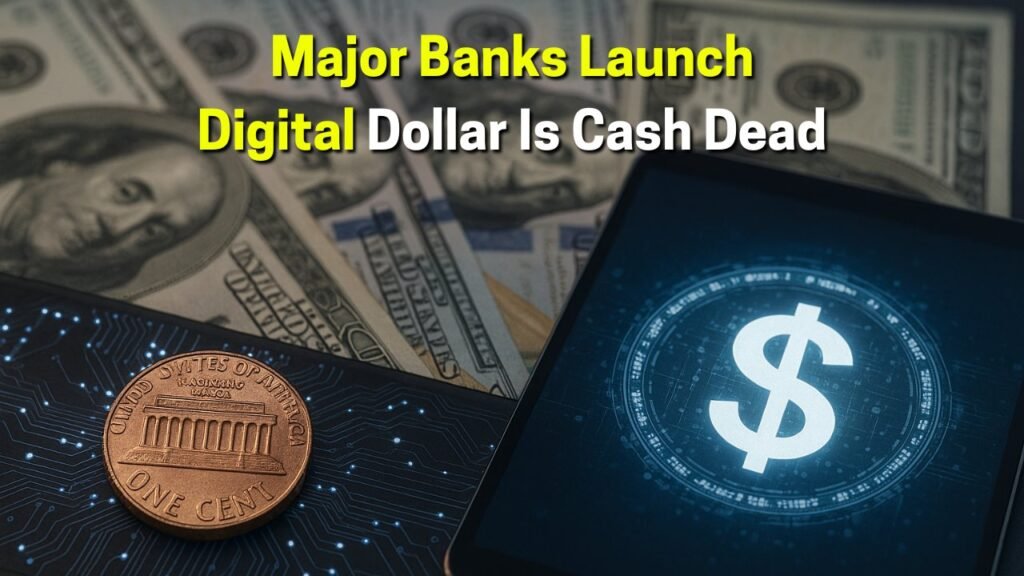
Digital Dollar and the Shift from Physical Cash
The concept of a digital dollar is not entirely new, but its potential implementation signals a major shift in how currency is used. As the world becomes increasingly digital, the reliance on physical cash is diminishing. The digital dollar would function as a virtual equivalent to the traditional US dollar, enabling seamless transactions without the need for paper money. This transition is driven by the growing demand for contactless payment solutions, heightened by the COVID-19 pandemic, which accelerated the adoption of digital payments. The convenience of using smartphones and other digital devices for financial transactions has made the idea of a digital dollar more appealing. Moreover, it promises enhanced security features, such as encryption and blockchain technology, to protect against fraud and unauthorized access. As more businesses and consumers embrace the digital dollar, it could lead to a decline in cash usage, reshaping the financial habits of Americans.
Bank Collaboration Paves the Way for Digital Currency
The successful implementation of a digital dollar relies heavily on the collaboration between major banks and financial institutions. This partnership is crucial to developing a robust infrastructure that can support digital currency transactions on a national scale. Banks are working alongside tech companies to create a secure, efficient, and user-friendly digital payment system. This collaboration aims to address the challenges associated with digital currencies, such as regulatory compliance, privacy concerns, and technological barriers. By pooling resources and expertise, these institutions are paving the way for a smooth transition to a cashless economy. Real-world examples of successful digital currency integration can be seen in countries like Sweden and China, where digital payments have become the norm. The lessons learned from these international experiences are being applied to the development of the US digital dollar, ensuring it meets the diverse needs of American consumers and businesses.
Economic Implications of a Digital Dollar
The introduction of a digital dollar carries significant economic implications for the United States. On one hand, it offers the potential to streamline monetary policy and enhance financial inclusion by providing easy access to banking services for unbanked populations. The digital dollar could also reduce transaction costs and increase the efficiency of cross-border payments. However, there are concerns about the impact on traditional banking systems and the potential for increased government oversight of financial transactions. The transition to a digital currency could also affect the Federal Reserve’s ability to control the money supply and interest rates. Furthermore, the digital dollar must be carefully managed to prevent issues such as cyberattacks and data breaches, which could undermine public confidence in the new currency. As policymakers and financial experts weigh the pros and cons, it is clear that the economic landscape will continue to evolve as the digital dollar becomes a reality.
Real-Life Examples of Digital Currency Adoption
As the United States considers the adoption of a digital dollar, it is useful to examine real-life examples from other countries that have embraced digital currencies. In Sweden, for instance, the e-krona is being developed as a digital complement to cash, with the aim of fostering a more inclusive and efficient financial system. Similarly, China’s digital yuan has been rolled out in several cities, allowing residents to make transactions via mobile apps. These initiatives demonstrate the potential benefits of digital currencies, such as increased convenience, reduced dependence on cash, and improved transaction security. However, they also highlight the challenges, including the need for comprehensive regulatory frameworks and the protection of user privacy. By studying these examples, the United States can gain valuable insights into the best practices for implementing a digital dollar, ensuring it meets the needs of all stakeholders while minimizing risks.