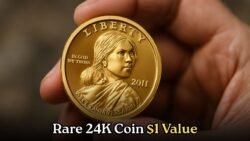
1914-D Penny: The 1914-D penny has become a hot topic among numismatists and coin collectors alike after a recent auction saw one of these rare coins change hands for a staggering $150,000. This remarkable sale has reignited interest in the fascinating world of rare coin collection, drawing attention to the unique history and characteristics that make the 1914-D penny so valuable. Known for its rarity and historical significance, this coin was minted in Denver and is part of the Lincoln Wheat penny series. As collectors scramble to understand the value of their own collections, the 1914-D penny stands as a testament to the intriguing stories behind each piece of currency.

The Historical Significance of the 1914-D Penny
Understanding the history behind the 1914-D penny is essential for comprehending its current value and significance. Minted during a time of economic uncertainty, this coin carries with it a piece of American history. The 1914-D penny was produced at the Denver Mint, and its limited mintage of approximately 1.17 million pieces makes it one of the rarest in the Lincoln Wheat penny series. The early 20th century was marked by significant changes in the U.S., including technological advancements and shifts in economic policies. Coins like the 1914-D penny not only served as everyday currency but also as silent witnesses to these transformative times. Today, collectors prize these coins not just for their monetary value but for the rich historical context they represent. The recent auction sale has reminded both seasoned collectors and newcomers of the importance of preserving such historical artifacts.
Why the 1914-D Penny Commands Such High Prices
Several factors contribute to the high value of the 1914-D penny, making it a coveted piece among collectors. First and foremost is its rarity; with fewer than two million minted, finding a 1914-D penny in good condition is a challenge. The condition, or grade, of the coin significantly influences its value. Coins with minimal wear and crisp details can fetch much higher prices at auction. Furthermore, the 1914-D penny’s place in the Lincoln Wheat series adds to its allure. This series is highly popular among collectors, and completing a set with a 1914-D penny is a significant achievement. Market demand is another critical factor. As interest in numismatics grows, so does the competition for rare coins, driving up prices. Real-life examples, such as the recent $150,000 sale, highlight how passionate collectors are willing to pay a premium for coins that are not only rare but also in excellent condition.
Spotting a Genuine 1914-D Penny: Tips for Collectors
For collectors hoping to add a 1914-D penny to their collection, identifying an authentic piece is crucial. Unfortunately, the rarity and value of this coin have led to numerous counterfeits. One of the first steps in authentication is examining the mint mark. The ‘D’ on a genuine 1914-D penny should be clearly defined and located below the date. Experts also recommend looking at the overall condition and detail of the coin. Wear and tear can obscure details, but a genuine penny will still have discernible features. Consulting with a professional coin grading service can provide peace of mind and ensure the coin’s authenticity. Collectors should also be aware of the market and the coin’s provenance. Provenance, or the coin’s history, can add to its value, as coins with documented histories are often more desirable. As the allure of the 1914-D penny continues to grow, these tips can help collectors make informed decisions.
The Role of Auctions in the Coin Collecting World
Auctions play a pivotal role in the coin collecting community, offering collectors the opportunity to acquire rare and valuable pieces like the 1914-D penny. These events are not just marketplaces but also social hubs where enthusiasts can share knowledge and passion. Auctions often set benchmarks for coin values, influencing market trends and collector behavior. The recent sale of the 1914-D penny for $150,000 at auction exemplifies how these events can drive interest and excitement in the numismatic world. Collectors attending auctions have the chance to see rare coins firsthand, learn from experts, and make informed purchases. Moreover, auctions provide a transparent platform for buying and selling, with professional grading and authentication adding layers of trust and credibility to transactions. As the popularity of coin collecting rises, auctions will continue to be instrumental in shaping the landscape, offering collectors access to pieces that might otherwise remain out of reach.